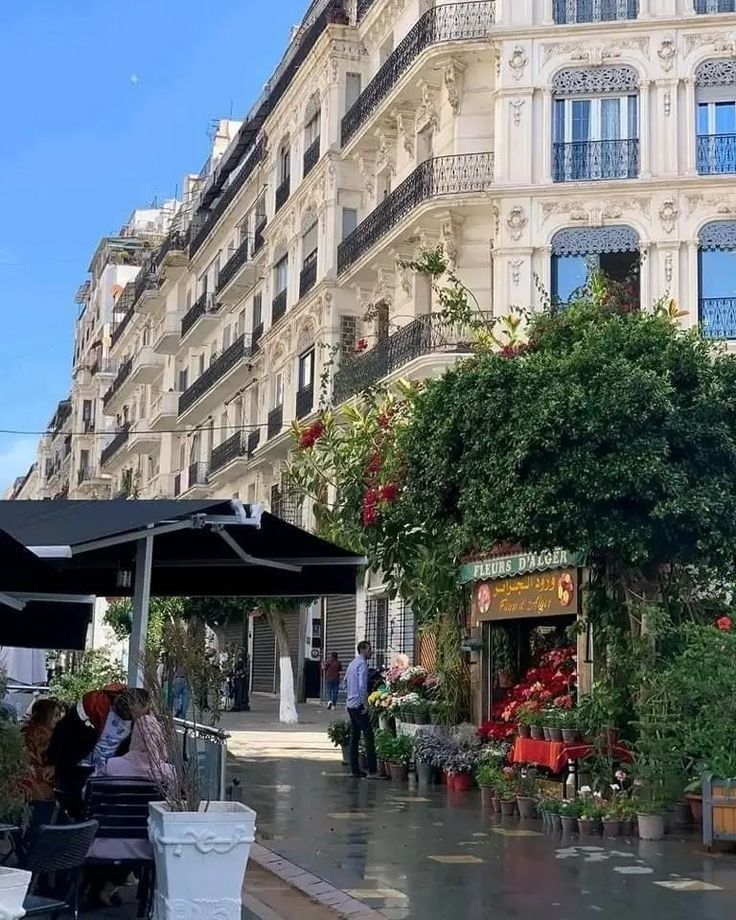
Travel Guide
Travel to Algeria: What You Need to Know Before You Go
Planning a trip to Algeria? From ancient Roman ruins and Sahara landscapes to vibrant cities and deep-rooted traditions, Algeria is one of North Africa’s most fascinating — and least understood — destinations.
This guide answers the most common questions travellers ask before visiting Algeria, covering history, visas, safety, currency, dress code, language and practical travel tips.
IN THIS GUIDE
1. History
2. Visa
3. Currency
4. Dress Code
6. Language
7. Safety
8. Alcohol
11. Power & Plugs
12. Tipping
13. Photography
What Is the History of Algeria?
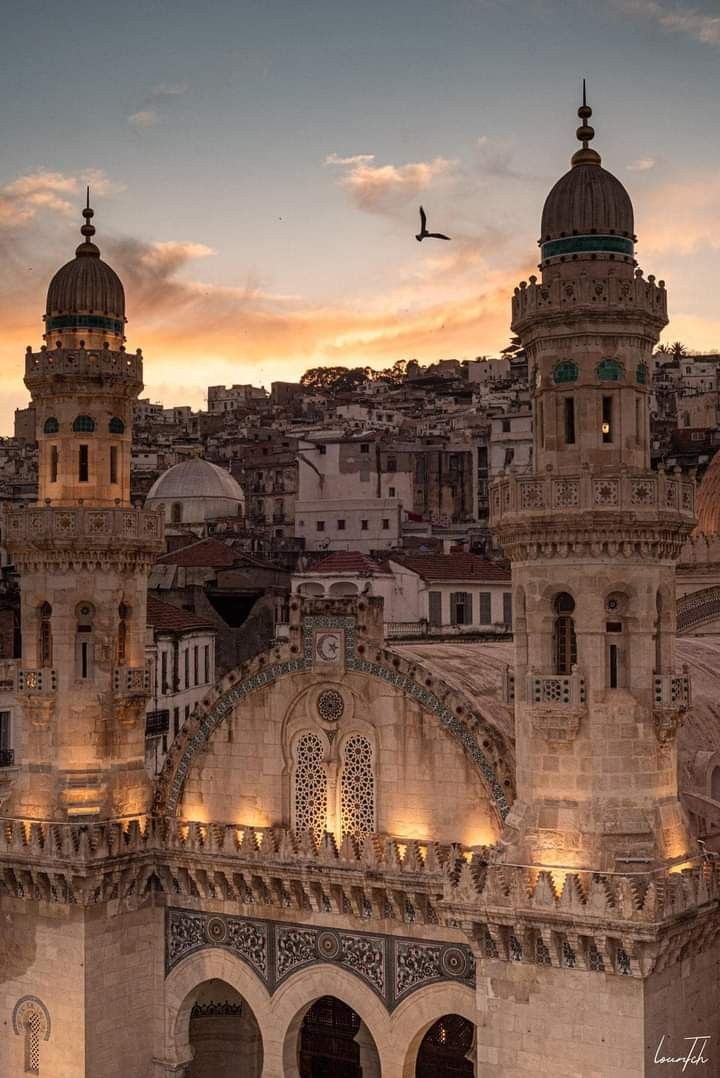
Algeria’s history stretches back thousands of years and has been shaped by many civilisations, cultures and empires.
Fun fact: Amazigh communities celebrate their New Year (Yennayer) every January. In 2026, they marked the year 2976.
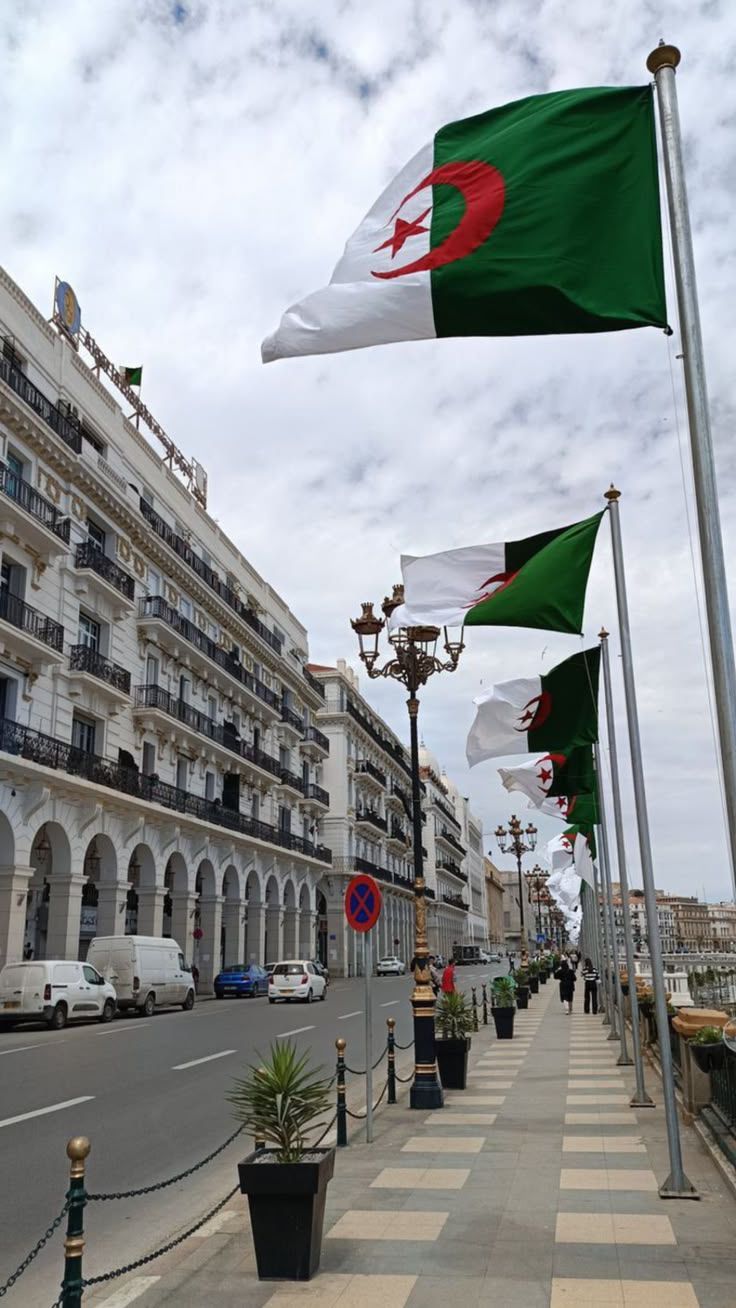
Do I Need a Visa to Travel to Algeria?
Yes — most travellers need a visa to enter Algeria.
You’ll usually need:
There is currently no visa on arrival for most nationalities.
Useful official resources:
UK government – Algeria travel advice & entry requirements
What Currency Is Used in Algeria?
The official currency is the Algerian Dinar (DZD). Foreign currencies cannot be used for everyday spending.
Official Exchange
Available at airports, banks and official exchange offices. The official rate is around $1 = 133* DZD. You’ll receive a receipt — keep it.
* rates fluctuate and can change daily.
Black Market Rate
Many locals exchange privately at a much better rate (around $1 = 238* DZD). Common but not officially legal.
* rates fluctuate and can change daily.
If you choose to exchange informally: use trusted contacts only and never exchange money on the street with strangers. Most travellers bring cash (EUR or USD) and exchange gradually as needed.
Do Credit Cards Work?
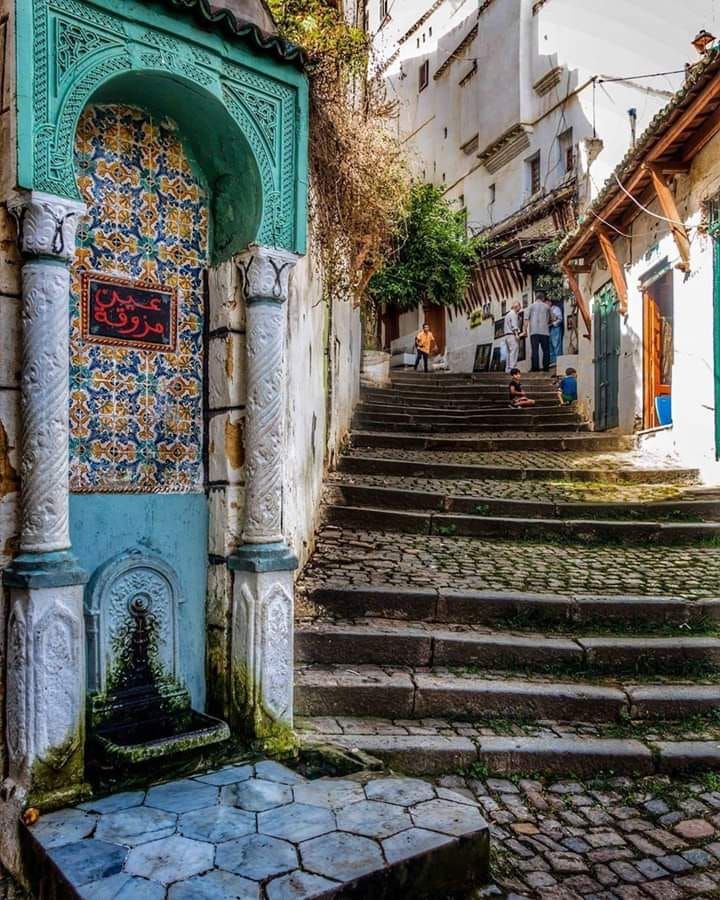
What Should I Wear in Algeria?
Algeria is conservative, but not extreme. Dressing modestly is appreciated and helps you blend in.
Women
Men
In Mosques
How Good Is Internet and Mobile Coverage in Algeria?
For short trips, we usually use a portable Wi-Fi device on arrival, which is simpler than buying and topping up a local SIM. We can help with this.
Buying a SIM Card
Recommended for longer stays. Passport required. Very affordable data plans.
Wi-Fi is available in hotels but can be slow.
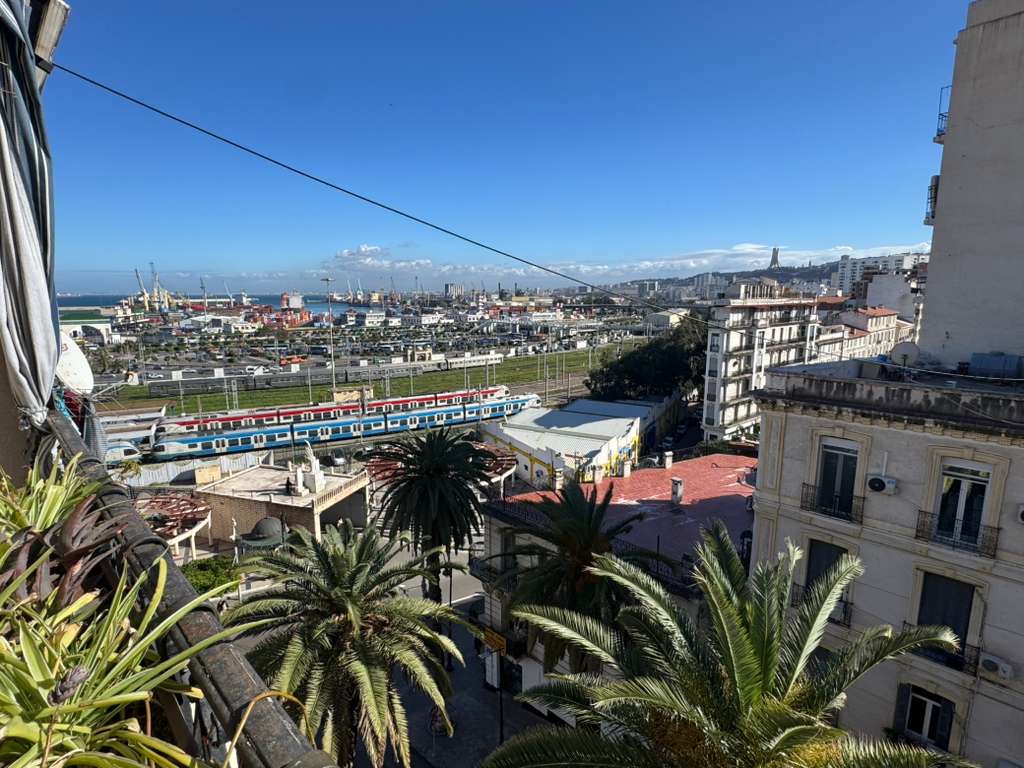
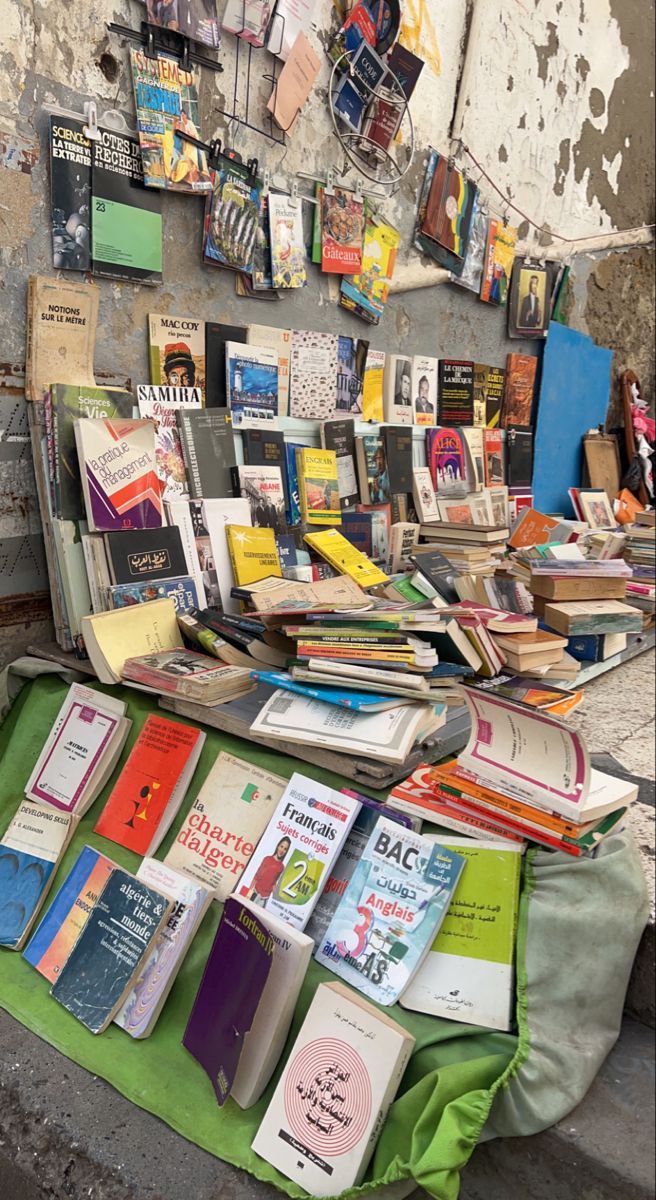
What Language Is Spoken in Algeria?
Helpful phrases:
You’ll see Arabic, Latin and Tamazight scripts across the country.
Is Algeria Safe for Tourists?
Algeria is generally safe for travellers, and violent crime against tourists is rare.
Some regions — particularly deep Sahara areas — require permits or guided travel. Always consult official government advice before departure.
Official advice:
Can You Drink Alcohol in Algeria?
Yes, but discreetly.
During Ramadan, many restaurants close during daylight hours.
How Do You Get Around in Algeria?
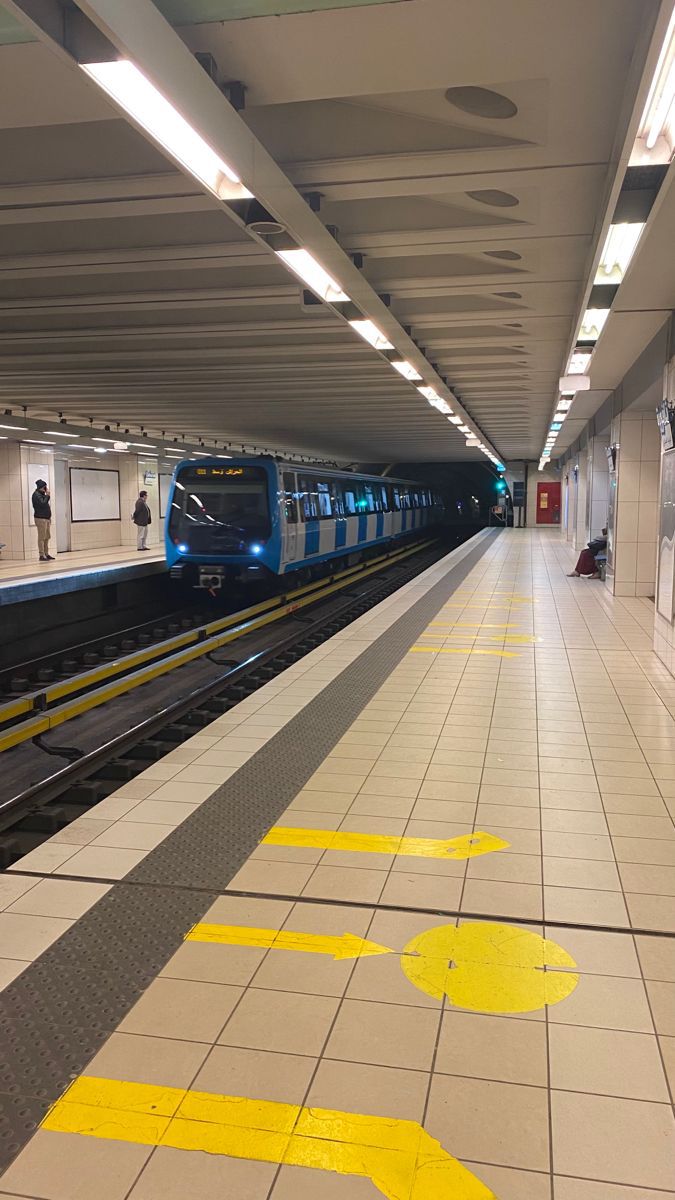
For most visitors, private drivers are the easiest and most reliable option — especially if you don’t speak French or Arabic, or want flexibility outside major cities.
When Is the Best Time to Visit Algeria?
Mar – May
Best months — warm, dry, comfortable
Jul – Aug
Extreme heat — avoid the south
Sep – Nov
Best months — warm, dry, comfortable
Winter can be pleasant but cooler and occasionally rainy in the north.
What Power Plugs Are Used in Algeria?
Type C & F
Plug type
220V
Voltage
Same as most of Europe.
Is Tipping Expected in Algeria?
Are There Photography Restrictions in Algeria?